
Introduction
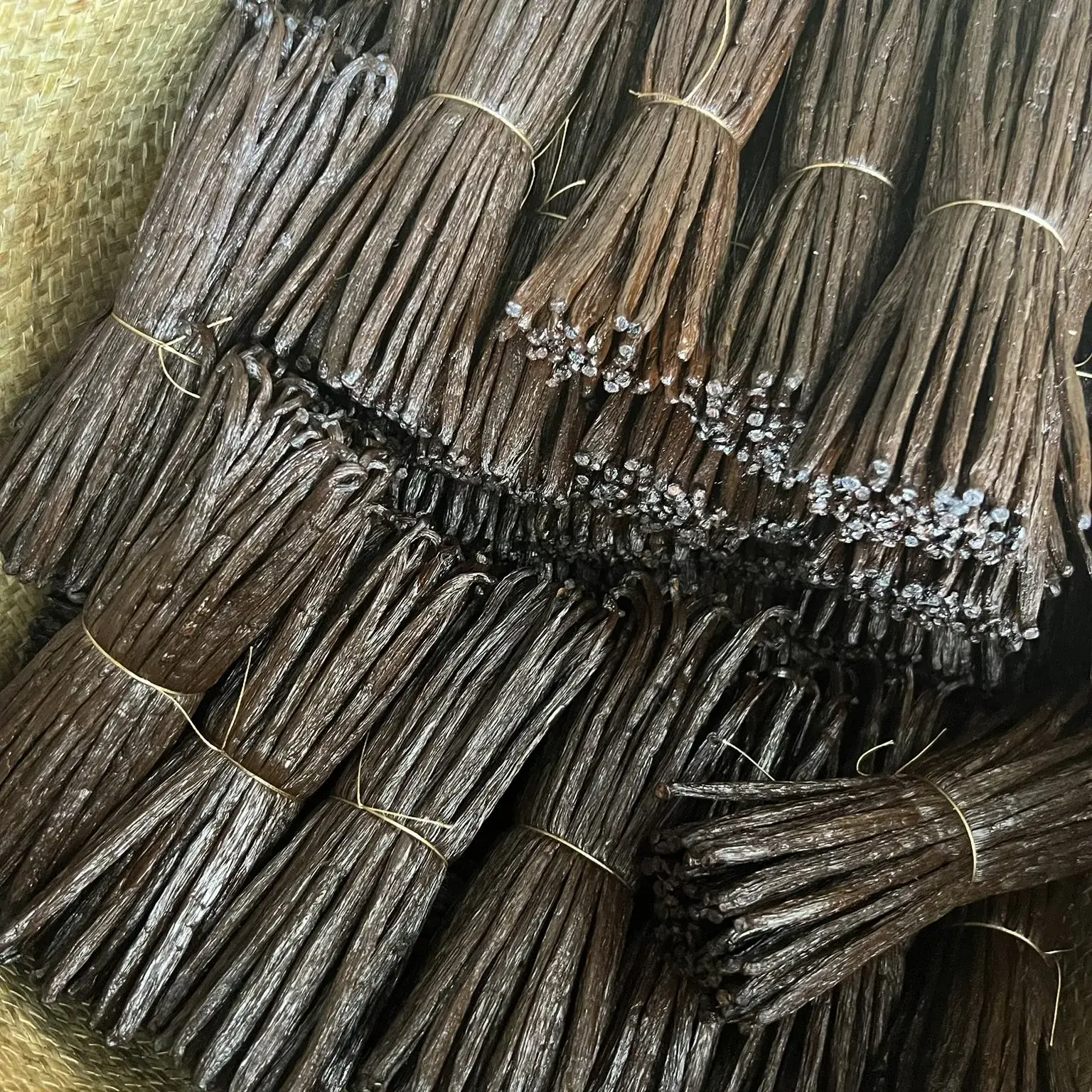
Madagascar vanilla is recognized worldwide for its exceptional aroma, premium quality, and Bourbon origin. Yet anyone searching online for its price quickly discovers an apparent contradiction.
Some websites and media reports mention prices reaching €2,000 per kilogram, while exporters quote prices that may range from around $60 to over $250 per kilogram, depending on the product.
How can such a large difference exist?
The explanation is simple: retail prices and export prices belong to two completely different markets.
Understanding the €2,000 Headlines
From time to time, international media report spectacular prices for Madagascar vanilla.
These headlines usually refer to:
- specialty retail products;
- luxury gourmet stores;
- exceptional lots;
- small consumer quantities;
- promotional or media figures.
They do not reflect the prices paid by professional importers purchasing directly from Madagascar.
What is the actual export price?
Unlike retail prices, export prices are negotiated between producers, exporters and professional buyers.
Depending on the grade and specifications, wholesale prices generally fall within ranges such as:
| Product | Typical export range* |
|---|---|
| Gourmet vanilla | $180–260/kg |
| TK / Extraction grades | $90–150/kg |
| Industrial grades | $40–80/kg |
*Prices vary according to market conditions, quality specifications, quantities and contractual agreements.
Large-volume contracts may sometimes be negotiated around $60/kg for specific industrial grades, but these situations are very different from premium gourmet vanilla.
Why are export prices much lower?
1. Retail vs wholesale markets
Retail prices include many additional costs:
- consumer packaging;
- branding;
- marketing;
- distributors;
- retailers;
- local taxes.
Export prices correspond to wholesale transactions where products are shipped in larger volumes directly to professional buyers.
2. Vanilla quality
Not every vanilla bean has the same value.
Export prices depend on several technical specifications:
- grade;
- bean length;
- moisture content;
- vanillin level;
- curing quality;
- visual appearance;
- consistency between lots.
Premium gourmet vanilla naturally commands higher prices than industrial grades.
3. Order volume
A company purchasing 25 kg, 100 kg or 500 kg does not pay the same unit price as a consumer buying two or three beans.
Volume remains one of the main factors influencing export pricing.
4. Market volatility
The vanilla market is naturally volatile.
Prices evolve according to:
- annual harvests;
- weather conditions;
- global demand;
- supply availability;
- speculation;
- international inventories.
For this reason, professional exporters generally provide custom quotations instead of publishing fixed price lists.
Why professional buyers request quotations
Madagascar vanilla is not a standardized commodity.
Every quotation depends on:
- requested grade;
- quantity;
- destination country;
- shipping method;
- export documentation;
- customer specifications.
A personalized quotation provides the most accurate pricing for each project.
What this means for professional buyers
Importers should avoid comparing wholesale export prices with retail prices found online.
Instead, purchasing decisions should focus on:
- product quality;
- supplier reliability;
- traceability;
- consistency;
- long-term partnerships.
These factors have a much greater impact on long-term value than headline prices alone.
Conclusion
The difference between €2,000 retail headlines and actual Madagascar vanilla export prices reflects two completely different markets.
Retail prices represent consumer sales, while export prices are determined by product specifications, quantities and international trade conditions.
For professional buyers, working directly with a trusted Madagascar exporter remains the best way to obtain transparent pricing, consistent quality and long-term supply reliability.