
Madagascar is currently the world’s leading producer of natural vanilla. Behind every vanilla bean lies a meticulous process that requires years of patience, precise expertise and constant attention at every stage of production.
In the SAVA region, located in northeastern Madagascar, vanilla cultivation has been part of the local heritage for generations. Discover how vanilla is grown, pollinated, harvested and prepared before reaching professionals and consumers around the world.
The SAVA region: the heart of Malagasy vanilla
The SAVA region, composed of the districts of Sambava, Antalaha, Vohemar and Andapa, is recognized as the center of vanilla production in Madagascar.
This region benefits from highly favorable natural conditions:
- A humid tropical climate
- Abundant rainfall throughout the year
- Soil rich in organic matter
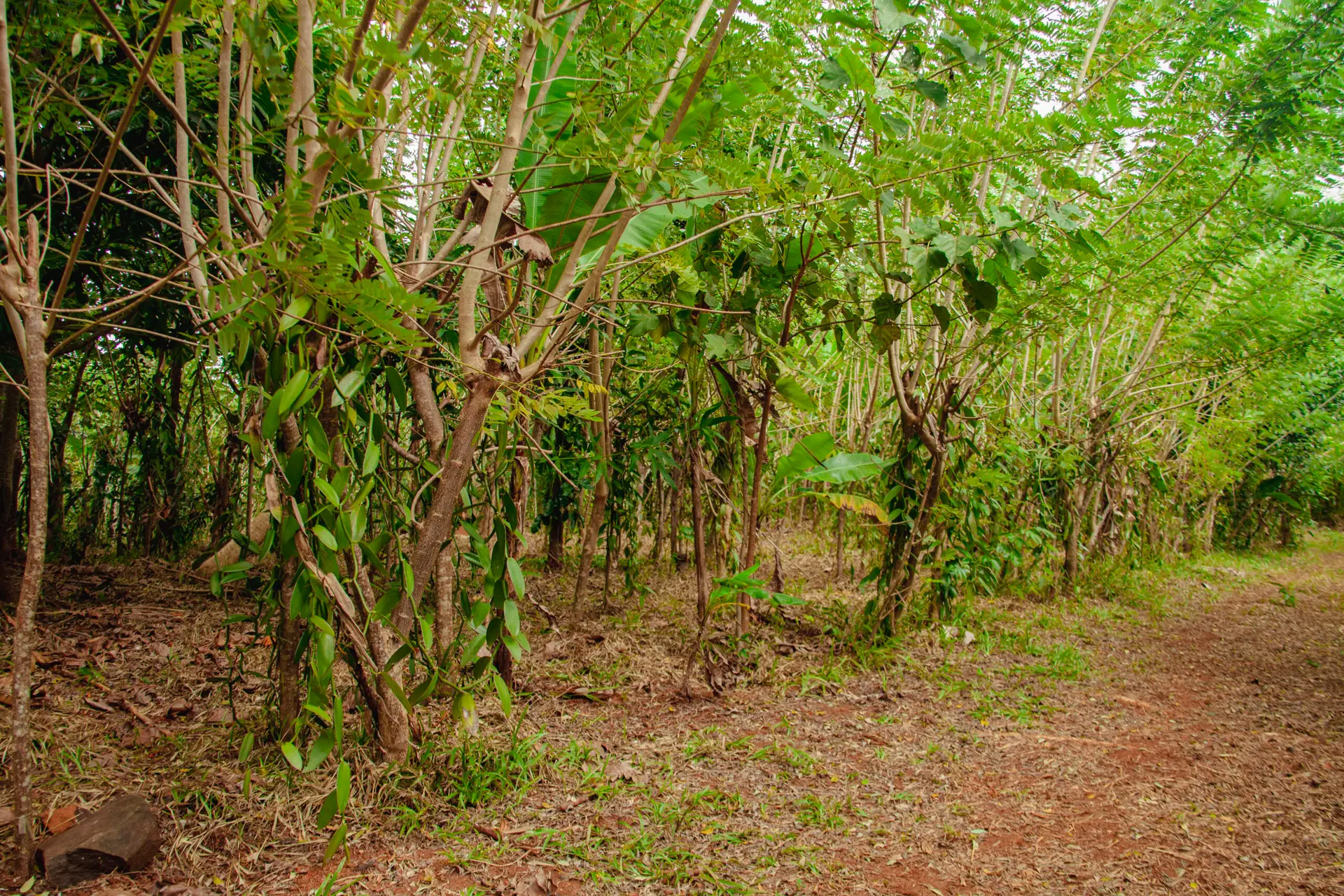
- Dense vegetation that naturally protects vanilla vines
These conditions allow the plant to develop slowly and produce aromatic vanilla beans.
Vanilla cultivation
Vanilla comes from a tropical orchid belonging to the Vanilla genus.
Unlike many agricultural crops, vanilla grows as a climbing vine that requires natural or artificial support to develop properly.
After planting the cuttings, several years are needed before the plant produces its first flowers.
During this period, regular maintenance is essential to ensure healthy vine growth.
Manual pollination: a unique expertise
One of the most distinctive aspects of vanilla cultivation is that every flower must be pollinated by hand.
Each flower remains open for only one day. During this short window, growers must act quickly to ensure pollination.
Using a precise gesture passed down through generations, producers bring the male and female parts of the flower into contact, allowing the future vanilla bean to develop.
This delicate operation is performed early in the morning and remains one of the most critical stages of production.
Bean development
After pollination, vanilla beans gradually begin to form.
They continue growing for several months before reaching maturity.
During this stage, growers carefully monitor the plantations to protect the crop and ensure proper bean development.
Harvesting vanilla
Harvest generally takes place between June and September depending on climatic conditions and production areas.
Beans are harvested at maturity to achieve the best aromatic potential.
This stage is crucial because harvesting too early or too late can affect the final quality.
Freshly harvested vanilla beans are still green and almost completely odorless.
The curing process
After harvest begins a long transformation process that allows the aroma to develop.
Blanching
The beans undergo heat treatment to stop natural maturation and initiate the enzymatic reactions responsible for aroma development.
Sweating
The beans are then kept under controlled conditions to encourage the beginning of fermentation.
This stage contributes to the progressive formation of aromatic compounds.
Drying
The beans are regularly exposed to the sun and then moved to the shade to gradually reduce moisture content.
This process takes several weeks and requires constant supervision.
Conditioning
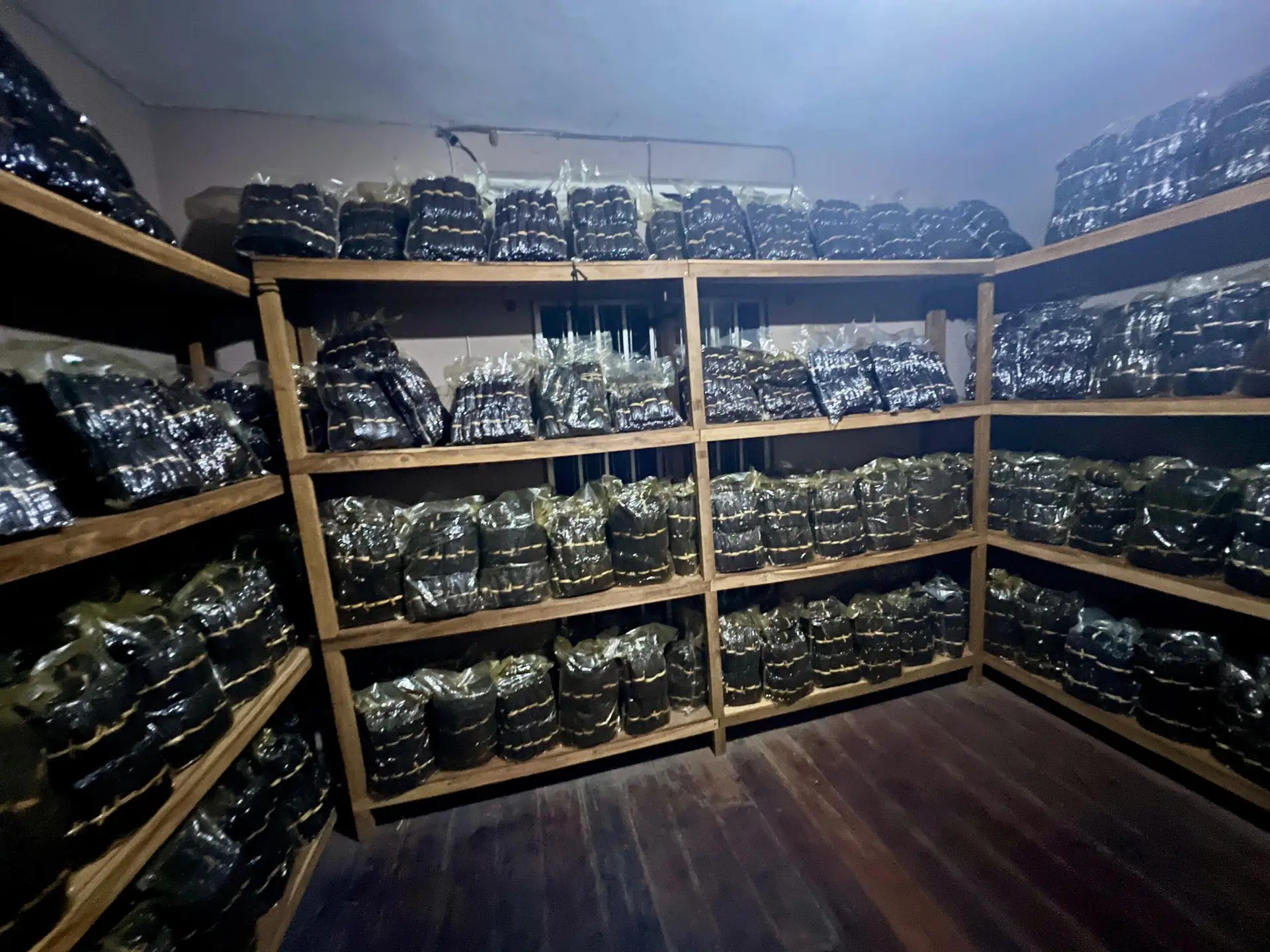
Once drying is complete, the beans continue maturing for several months under controlled conditions.
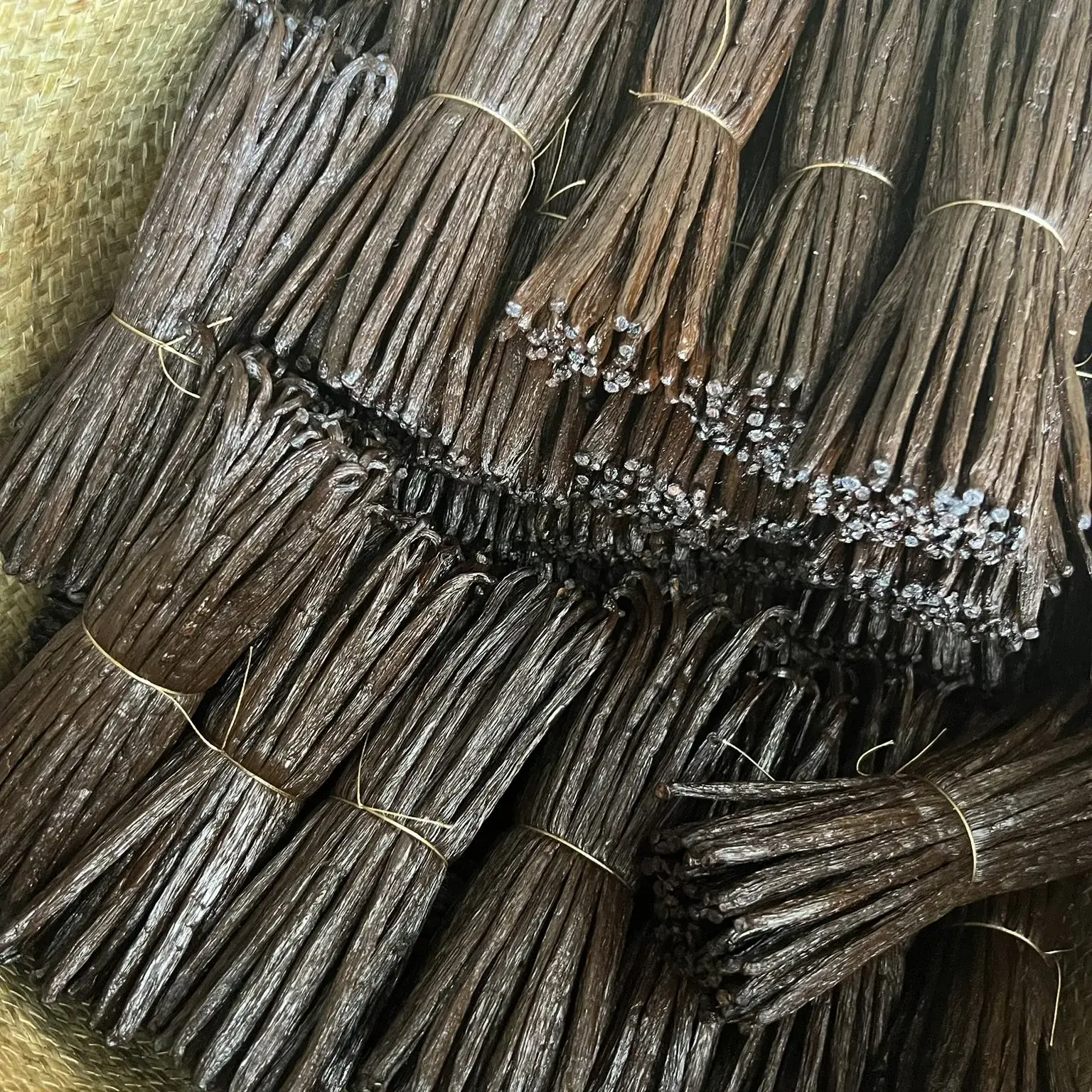
This conditioning period allows the aroma to fully develop and gives vanilla its supple texture and characteristic fragrance.
Expertise passed down through generations
The quality of Madagascar vanilla does not rely solely on favorable growing conditions.
It is also the result of expertise developed over more than a century by producers in the SAVA region.
Every stage, from cultivation to conditioning, requires patience, experience and close attention to detail.
Conclusion
Vanilla cultivation is a long and demanding process that spans several years. From planting the vines to preparing the beans, every step contributes to the quality of the final product.
This unique combination of favorable natural conditions and human expertise is what gives Madagascar vanilla its worldwide reputation.