
Vanilla beans are among the most appreciated spices in the world. Their unique aroma brings remarkable depth and richness to desserts, beverages, pastries and gourmet preparations.
Behind this precious spice lies a long and demanding process requiring patience, expertise and craftsmanship. From flower pollination to harvesting and curing, every stage contributes to the final quality of the product.
In this article, discover the origin of vanilla, how to identify high-quality vanilla beans, and the best ways to use them in culinary applications.
What is a vanilla bean?
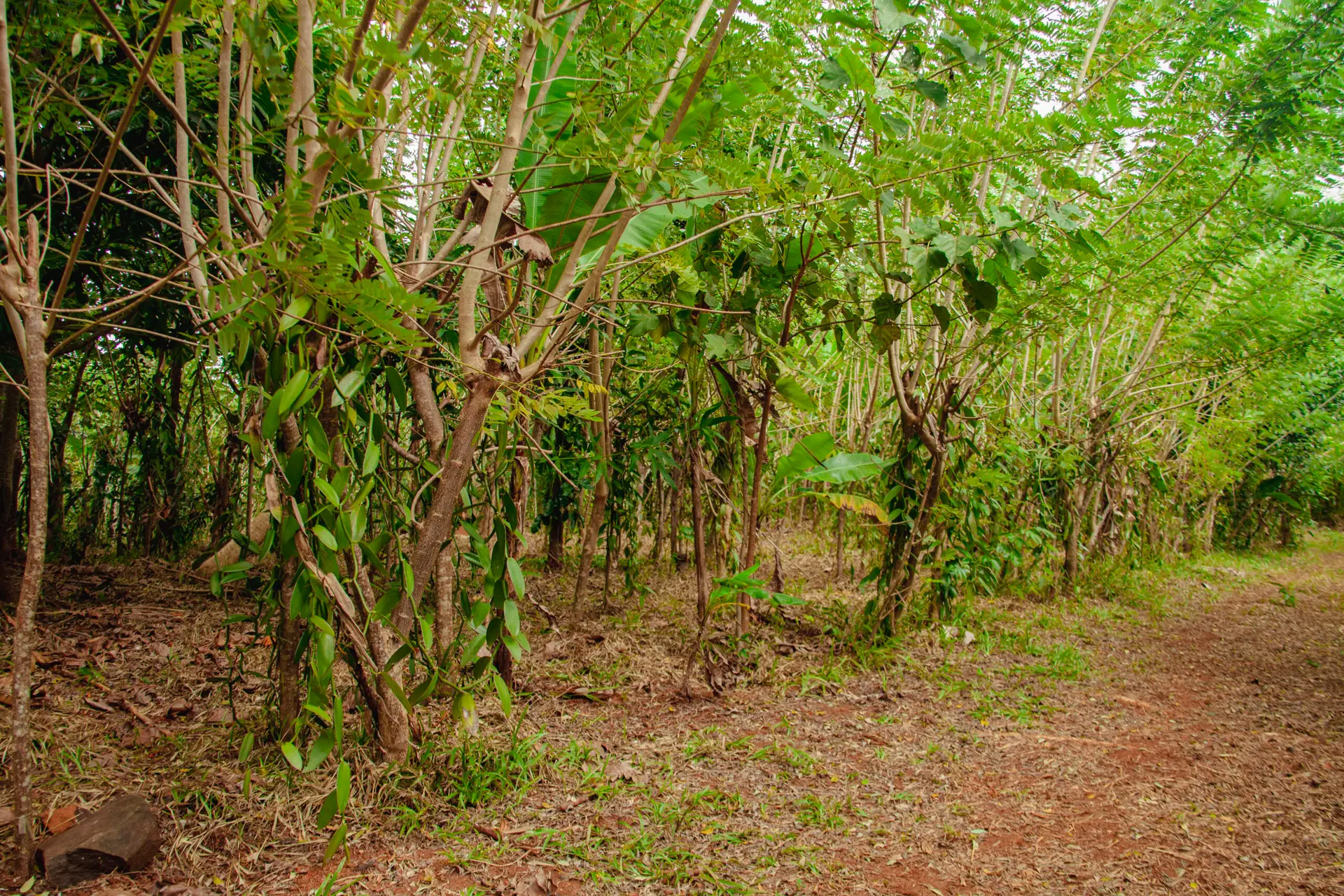
A vanilla bean is the fruit of a tropical orchid belonging to the Vanilla genus. Contrary to what many people think, a freshly harvested vanilla bean has almost no fragrance.
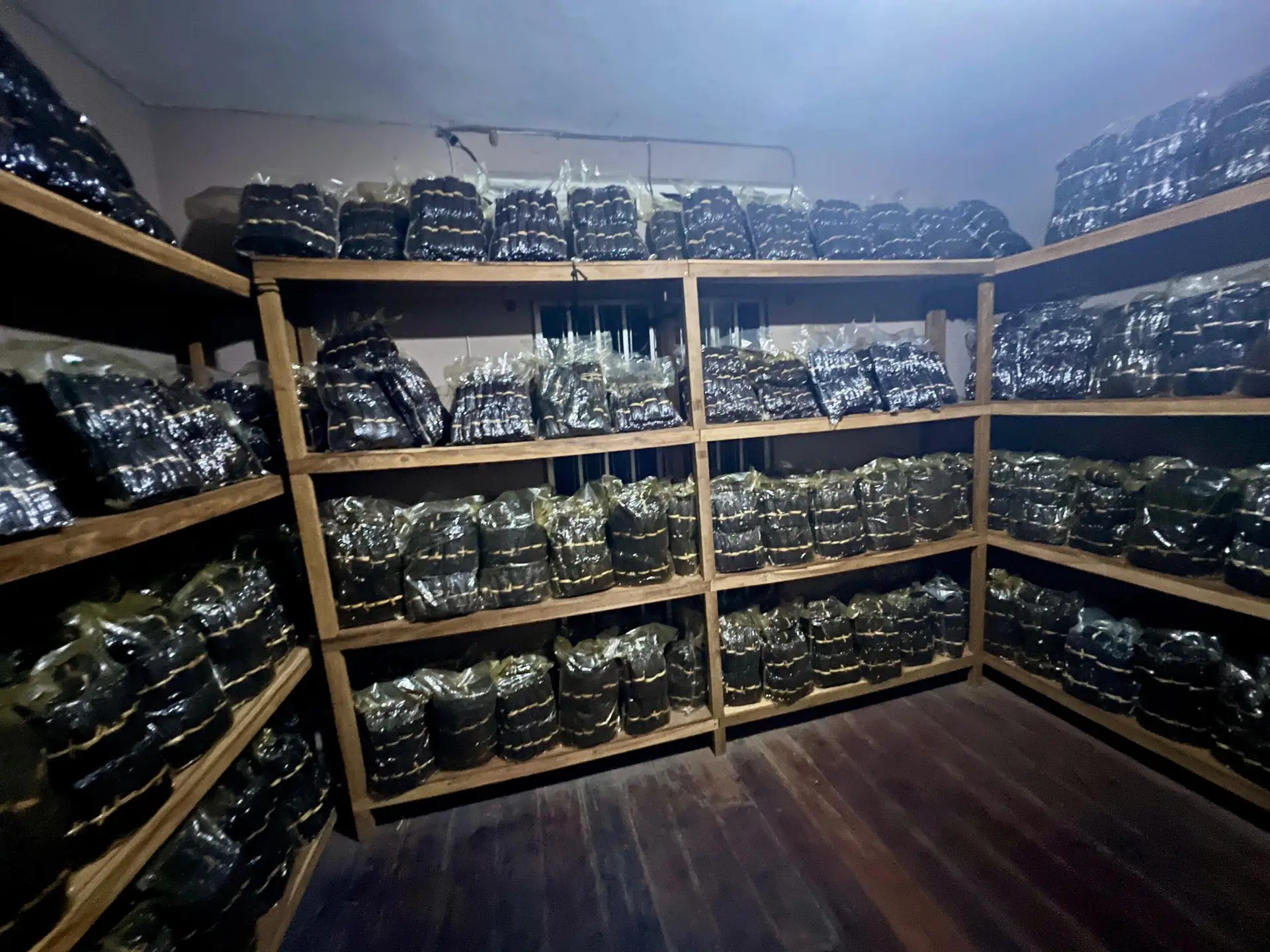
The characteristic aroma of vanilla develops through a long curing process involving blanching, sweating, drying and conditioning. This transformation gradually turns the raw fruit into one of the world’s most sought-after spices.
Today, vanilla is widely used in gastronomy, pastry, beverages and perfumery.
The history of vanilla
The use of vanilla dates back to the Aztec civilization in Mexico, where it was used to flavor cocoa-based drinks.
In the 16th century, Spanish conquistadors discovered this spice and introduced it to Europe, where it quickly gained popularity.
Later, the French introduced vanilla cultivation to their colonies, particularly Réunion Island, formerly known as Bourbon Island. However, despite the presence of vanilla plants, no beans were produced because the natural pollinating insect was absent.
In 1841, Edmond Albius discovered the manual pollination technique for vanilla flowers. This breakthrough revolutionized vanilla cultivation and enabled large-scale production in several tropical regions.
Even today, vanilla flowers are pollinated by hand, flower by flower, using a method that requires precision and experience.
Why is Madagascar vanilla so highly valued?
Madagascar is currently the world’s leading producer of natural vanilla. The SAVA region, located in the northeast of the island, offers ideal climatic conditions for vanilla cultivation.
The reputation of Madagascar vanilla comes from its rich aromatic profile, careful curing process and generations of expertise.
Vanilla beans produced in Madagascar are widely used by professionals in the food industry, pastry, chocolate making, beverages and perfumery.
How to recognize high-quality vanilla beans
Several criteria can help assess the quality of vanilla beans.
Aroma
A good vanilla bean should release a strong, rich and pleasant aroma. Poor-quality or improperly stored vanilla generally has a weaker scent.
Appearance
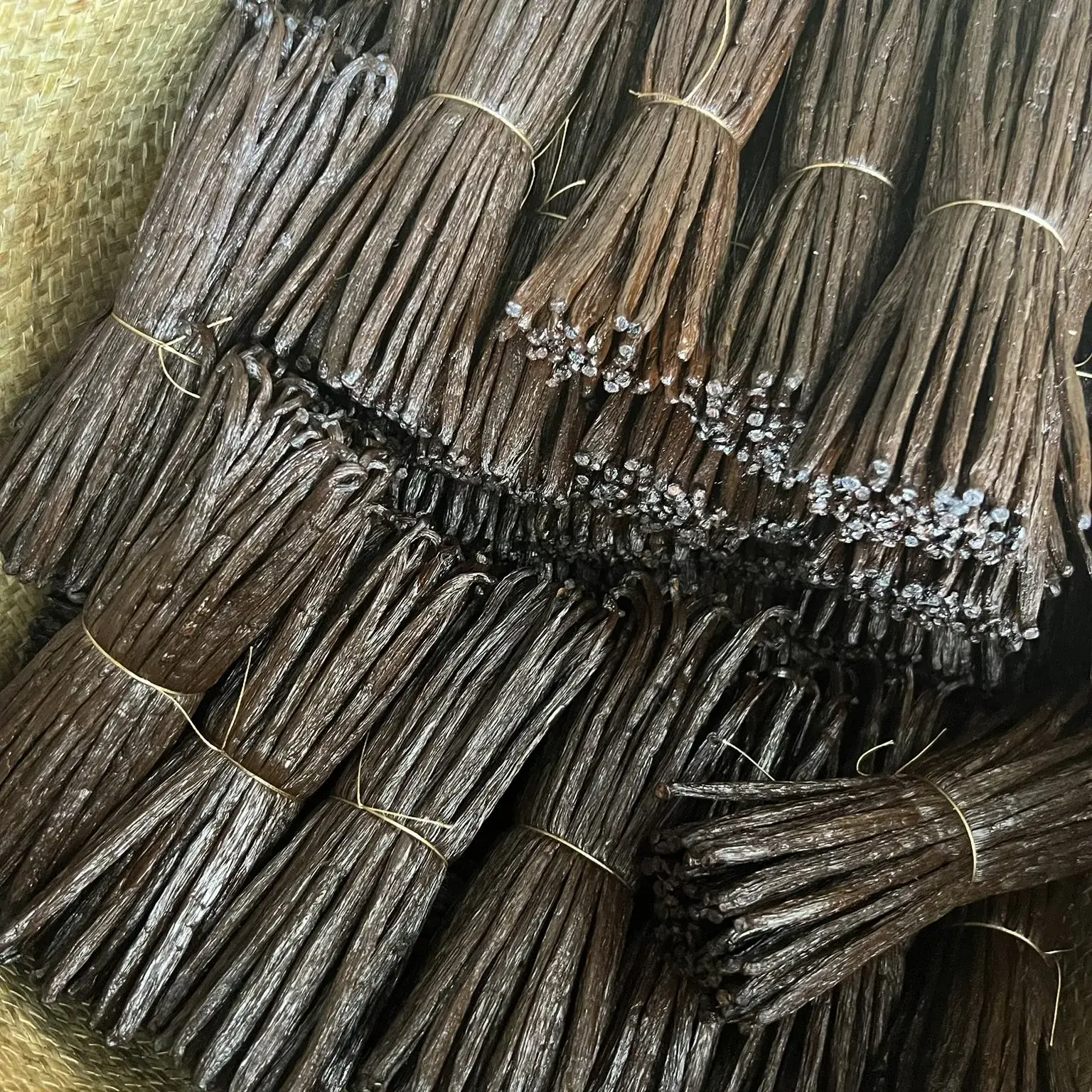
High-quality vanilla beans have a uniform dark brown to black color. They should be supple, fleshy and slightly glossy without being overly oily.
Dry, brittle or very thin beans often indicate incomplete curing or premature harvesting.
Length
At equal quality, longer vanilla beans are generally more valued because they contain more aromatic material.
Common commercial sizes range from 12 to 18 cm, although some beans can exceed 20 cm.
Origin
Origin plays a major role in vanilla’s aromatic profile. Madagascar remains the global reference thanks to its favorable climate and longstanding expertise.
Other producing countries include Indonesia, Mexico, India and French Polynesia.
How to use vanilla beans
Vanilla is a highly versatile ingredient that can be used in many different ways.
Splitting and scraping
Using a sharp knife, split the vanilla bean lengthwise.
Carefully scrape out the tiny black seeds inside. These seeds contain much of the aromatic richness and can be directly added to recipes.
Infusion
To flavor milk, cream, syrup or beverages, place the whole bean or split bean into a warm liquid.
Allow it to infuse so the aroma gradually develops.
Grinding
Dried vanilla beans can be ground into powder using a suitable grinder.
The powder can then be incorporated directly into pastries, drinks or culinary preparations.
Flavoring sugar
A vanilla bean can be placed inside a container of sugar.
Over time, the sugar naturally absorbs the vanilla aroma and becomes ideal for desserts and hot drinks.
How to store vanilla beans
To preserve their aromatic qualities, vanilla beans should be stored in an airtight container away from light and major temperature fluctuations.
They are best kept in a cool, dry place while avoiding refrigeration, as cold conditions may cause them to dry out.
When properly stored, vanilla beans can retain their flexibility and aroma for several months.
Can vanilla beans be reused?
Yes. After removing the seeds, the pod can still be used to flavor milk, cream, sugar or beverages.
After use, simply rinse it gently, let it dry, and store it for future use.
Conclusion
Vanilla beans are far more than a simple ingredient. They are the result of demanding craftsmanship developed over generations.
Appreciated for their unique aroma and versatility, they remain one of the world’s most sought-after spices. Whether used in baking, cooking or beverages, vanilla continues to bring exceptional aromatic richness that contributes to Madagascar’s global reputation.